What a Zone 5a Label Really Means for Minnesota Gardeners
A plant tag marked Zone 5a can look like a clear yes-or-no answer for a Minnesota garden. It is useful, but it answers a narrower question than many gardeners expect: whether a plant is likely to tolerate a particular level of winter cold. Here’s how to use that label alongside local frost risk, soil conditions, and the microclimate of your yard.
What Zone 5a Means
The USDA Plant Hardiness Zone Map groups locations by their average annual extreme minimum winter temperature. It is based on long-term weather data, not a forecast for the coldest temperature in any particular year.
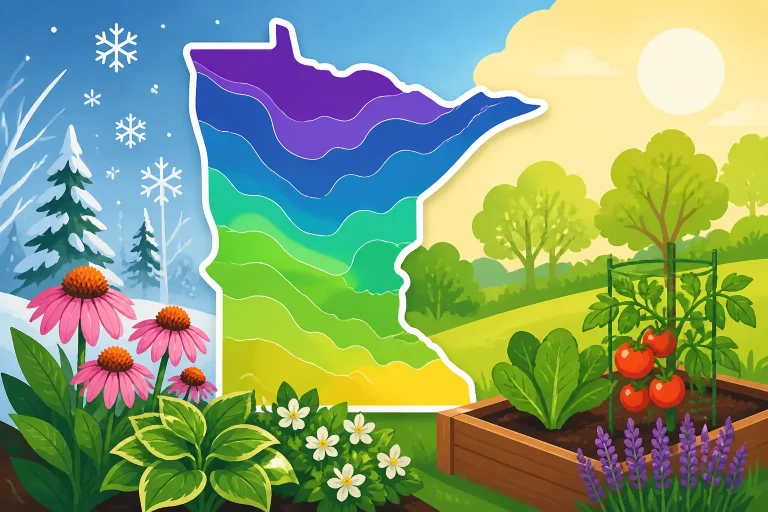
Zone 5 is divided into two half-zones. Zone 5a is the colder half, associated with average annual extreme minimum temperatures from -20°F to -15°F. Zone 5b is the warmer half, from -15°F to -10°F. The shared boundary temperature reflects that the half-zones meet there.
In practical terms, a Zone 5a label means the area represented by that map location is associated with a certain range of winter cold. It does not mean the winter low will fall within that range every year. A particular winter may be milder or colder, and the map does not guarantee that a plant will survive in a specific yard.
Think of the label as a first screening tool. If a tree, shrub, or perennial is rated for a colder zone than the one where your garden falls, it has a wider cold-tolerance margin on paper. If it is rated for Zone 5, it may be a reasonable candidate for a Zone 5a site, but its survival will still depend on growing conditions and winter stress. A plant rated only for a warmer zone is a riskier choice outdoors.
The zone number is a regional indicator, not an address-level promise. ZIP codes or areas fall in zones on the USDA Plant Hardiness Zone Map; a ZIP code can cover varied terrain and conditions. For help reading map boundaries and understanding what a zone can tell you, see Understanding USDA Plant Hardiness Zones for Minnesota Gardens.
What the Label Can and Cannot Tell You
A hardiness zone is most useful when choosing plants that need to survive outdoors through winter. It is especially relevant for woody plants and perennials that remain in the ground year after year. It can help narrow a plant list before you consider details such as sunlight, soil drainage, and the amount of shelter your yard provides.
It does not tell you when to sow seeds or move tender transplants outdoors. It also does not describe the total length of the growing season, the date of the last spring frost, or the date of the first fall freeze. Two places that fall in the same hardiness zone may have different spring conditions and different growing-season patterns.
| Question | What a Zone 5a label helps answer | What it does not answer |
|---|---|---|
| Can a perennial tolerate winter cold here? | Whether its stated hardiness range is a plausible starting point | Whether it will thrive in your specific soil and site |
| When should I plant vegetables outdoors? | Very little about the right date | When frost risk has eased or soil is warm enough |
| Will a plant survive an unusually cold winter? | Whether its typical hardiness rating is relevant | Whether it can withstand every extreme |
| Is my yard warmer or colder than nearby areas? | The broader mapped climate | How buildings, slopes, wind, and shade affect your yard |
| Will a plant produce fruit or flowers reliably? | One part of its long-term survival prospects | Whether it gets the needed season length, pollination, or care |
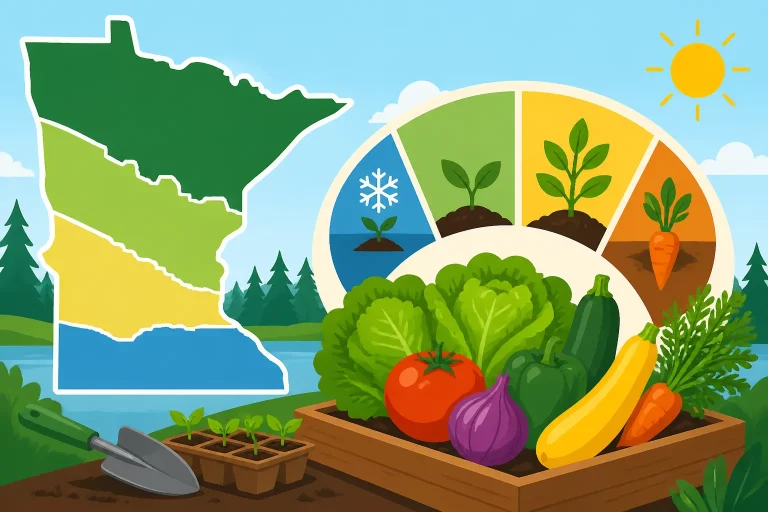
For vegetables, annual flowers, and other plants with a short outdoor season, frost and soil warmth are often more directly useful than a hardiness-zone label. Tender crops can be damaged by a spring freeze even in a place where a perennial rated for Zone 5 survives many winters. The relevant timing can also vary across Minnesota. Use Minnesota Frost Dates: Tracking Spring Thaw and Fall Freezes as a starting point, then compare it with local forecasts and conditions.
The same distinction applies in fall. A plant might tolerate winter cold once established but still need enough time to grow, set fruit, or prepare for dormancy before cold weather arrives. For vegetables, check crop maturity information as well as local freeze risk. The Minnesota Vegetable Planting Calendar by Region can help you think about planting windows in the context of regional differences.
A zone label also cannot account for a plant’s full needs. A cold-hardy shrub may still fail in soggy soil, deep shade, or a spot exposed to drying wind. A plant can survive winter but struggle to flower or fruit. Hardiness is one selection criterion—not a complete care plan.
How to Use Zone 5a When Choosing Plants
Start with the plant’s stated hardiness range, then consider how much risk you are comfortable accepting. A plant rated for colder conditions than your site’s zone may give you more room for winter variation. A plant rated right at the edge of its range can be worth trying, especially in a sheltered location, but it is less of a sure bet.
Read the label carefully. Some listings use a single zone number; others include half-zones or a range. If the information only says “Zone 5,” it may not clarify how well the plant handles conditions at the colder edge of Zone 5. When a plant is important to your landscape, look for reliable hardiness information from the grower or another trusted plant reference rather than relying on a short tag alone.
Consider the consequences of a failure. Trying one borderline perennial in a protected bed is different from planting a row of expensive shrubs that will be difficult to replace. You can reduce risk by choosing a plant with a colder hardiness rating, placing it in a sheltered spot, or starting with a small trial rather than designing an entire landscape around an uncertain choice.
Check the whole site, not just the label
A Zone 5a map result represents a broader area. Conditions within one yard can differ:
- A sunny spot near a building may be more sheltered than an exposed, windy bed.
- A low area can collect cold air and experience colder conditions than a nearby slope.
- A site beside pavement or masonry can differ from an open lawn, though reflected heat and limited soil moisture may create other stresses.
- Snow cover can protect low-growing plants in some winters, while exposed stems may be more vulnerable.
- Poor drainage can damage roots or crowns even when the plant’s temperature rating seems suitable.
- Road salt, winter wind, and repeated thawing and refreezing can add stress not captured by a zone label.
These differences do not turn a site into a reliably different USDA zone. They are local factors to weigh alongside the map. A useful way to compare plants is to match the plant’s needs to the actual exposure and soil where you plan to put it.
Separate winter survival from seasonal performance
For a perennial, winter survival is only one measure of success. A plant may live through cold conditions yet produce fewer flowers, ripen fruit inconsistently, or grow poorly because the site lacks the right light, moisture, or warmth. For a vegetable, winter hardiness may not be the relevant question at all if it is grown as an annual and harvested before frost.
Use the zone label to screen for winter tolerance, then check other requirements:
- Light: Does the plant need full sun, partial shade, or a more sheltered exposure?
- Soil: Does it need well-drained ground, consistently moist soil, or a particular soil condition?
- Season length: Can it mature or flower during the available growing season?
- Winter exposure: Is the planting site windy, open, or likely to lose snow cover?
- Establishment: Will the plant have time to establish before facing its first winter?
When comparing plants for a Minnesota landscape, Growing Zone 5 Perennials and Woody Plants in Minnesota Landscapes can help connect zone information with plant choices. For a plant near its cold limit, Why Plant Hardiness Ratings Do Not Guarantee Winter Survival explains why the rating should not be treated as a promise.
Why Minnesota Gardeners Need More Than a Zone Number
Minnesota gardens span a range of local climates and growing conditions. A zone map can be a useful broad reference, but it does not replace regional planting guidance or observations from your own yard. A planting schedule suited to one part of the state may not fit another, even when a particular plant label looks familiar.
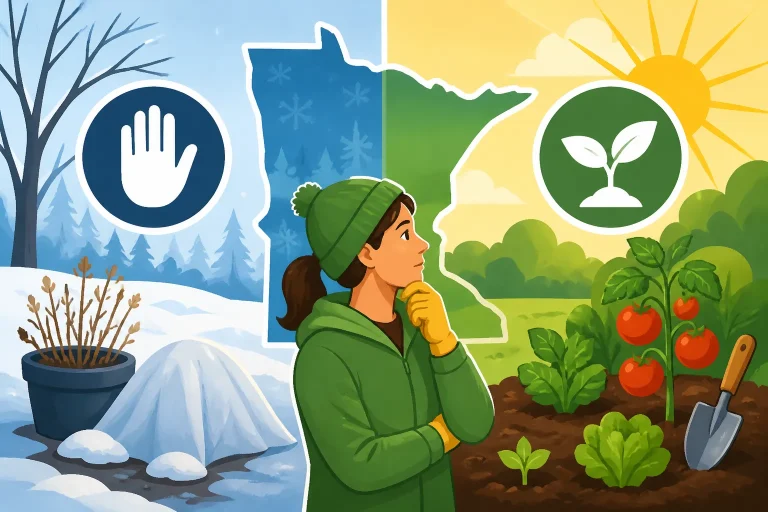
Spring timing is a good example. The hardiness zone does not tell you whether the soil is dry enough to work, whether a cold spell is likely, or whether the ground has warmed enough for a particular seed. Working wet soil can damage its structure, and sowing a heat-loving crop into cold ground can delay growth. For practical timing questions, use Minnesota Garden Timing: Knowing When to Plant or Hold Off and Minnesota Soil Warmth and Frost Timing for Vegetable Seeds.
The difference between plant survival and planting timing matters especially for tender crops. Tomatoes, peppers, squash, and other heat-loving vegetables are not planted according to the winter hardiness of the yard. Their timing depends on frost risk, warm soil, and how quickly conditions support healthy growth. The hardiness map does not set a safe date for moving them outdoors. See When Is It Safe to Plant Heat-Loving Crops Outdoors in Minnesota? for a crop-focused approach.
Fall timing matters, too. A Zone 5a label cannot tell you how much time remains for a crop to mature or whether a young perennial has enough time to establish. When planning late-season vegetables, work backward from expected maturity and local freeze risk rather than treating the zone as a calendar. Minnesota Midsummer Planting Guide for Bountiful Fall Harvests covers that separate timing question.
Use microclimates as a clue, not a new zone assignment
A protected courtyard or sheltered bed may give a borderline plant a better chance than an exposed, windy location. That does not mean the sheltered area should automatically be assigned a different USDA zone. The mapped zone remains a regional reference; the yard’s conditions help you decide how much confidence to place in a particular plant choice.
Microclimates can also work against a plant. A south-facing wall may warm up earlier in spring, encouraging growth that is then exposed to a later freeze. A low spot may remain colder on clear nights. A windy site may dry evergreen foliage or expose plants to more winter stress. Assess a location through more than one season where possible, and avoid assuming that a warm spring day proves a plant will be safe through the full season.
If you are comparing map results, use the current USDA Plant Hardiness Zone Map and remember that the displayed area is not a precise measurement of an individual garden. Understanding Microclimates When Reading Your USDA ZIP Code Zone offers more detail on how local conditions complicate a broad map reading.
A Practical Way to Make Zone 5a Decisions
Use the zone as one part of a decision, not as the final verdict. This short process works for trees, shrubs, and perennials, and it helps keep planting-calendar decisions separate from winter-survival questions.
- Check the mapped area. Use the current USDA Plant Hardiness Zone Map to see which zone the area falls in. Treat the result as regional guidance, not a guarantee for your address or yard.
- Read the plant’s hardiness information. Note whether the plant is rated for Zone 5, a half-zone, or a range. If the label is vague, seek more specific information before making a high-stakes planting choice.
- Look at the site. Consider wind exposure, slope, nearby structures, drainage, snow cover, light, and soil. A site that is tough in winter may call for a more cold-tolerant plant even if the broader map seems suitable.
- Check the plant’s other needs. Confirm that the plant can get the light, moisture, and growing-season conditions it needs. A suitable hardiness rating cannot compensate for a poor site match.
- Use timing information for the task at hand. For seed sowing and transplanting, consider frost risk, soil warmth, and soil workability. A zone number is not a planting date.
- Decide how much uncertainty is acceptable. For an expensive or hard-to-replace plant, choose a more conservative option. For a small trial in a protected spot, you may be comfortable testing a plant near the edge of its rating.
- Observe what happens. Note where winter damage occurs and where plants recover well. Those observations can help you make better choices in your own yard, while still keeping the map’s regional role in perspective.
This process is especially useful when a nursery tag makes a plant sound like an obvious fit. Ask what the rating actually measures, then check what it leaves out. A “Zone 5” label is not the same as a promise of dependable flowering, fruiting, or survival in every Minnesota garden.
For vegetable planning, keep a separate calendar based on the crop and the conditions it needs. Cool-season crops and warm-season crops have different temperature requirements, and neither is scheduled by the winter rating of a perennial. Use Should You Plant Now in Minnesota? What to Weigh Before Digging when current weather, soil, and seasonal timing matter more than the map.
Frequently Asked Questions
Does Zone 5a mean my garden will never get colder than -20°F?
No. Zone 5a describes a long-term average of annual extreme minimum temperatures for a mapped area. Individual winters can be colder or milder than that range, so the label cannot guarantee a plant’s survival in every year.
Can I plant anything labeled Zone 5 in a Zone 5a area?
It may be suitable, but the label is not a guarantee. Consider the plant’s specific hardiness information, the exposure and drainage of your site, and how much risk you are willing to accept. A plant with a colder hardiness rating may offer more margin.
Does Zone 5a tell me when to plant vegetables?
No. Vegetable planting timing depends on the crop, frost risk, soil warmth, and soil conditions. Use regional planting guidance and current local conditions rather than using a hardiness zone as a calendar.
Is my sheltered yard a warmer USDA zone?
Not automatically. A sheltered location may give a borderline plant a better chance, but the hardiness map describes a broader area. Treat shelter, slope, wind, and snow cover as local conditions that affect plant performance, not as a reason to assign your yard a different zone.
Disclaimer
This article is for general informational purposes only and does not constitute professional advice. Laws, prices and regulations vary by location and change over time. Consult a qualified professional for guidance on your specific situation. Minnesota Gardening Guide is not a government agency and is not affiliated with any university extension, state department of agriculture or other government agency.