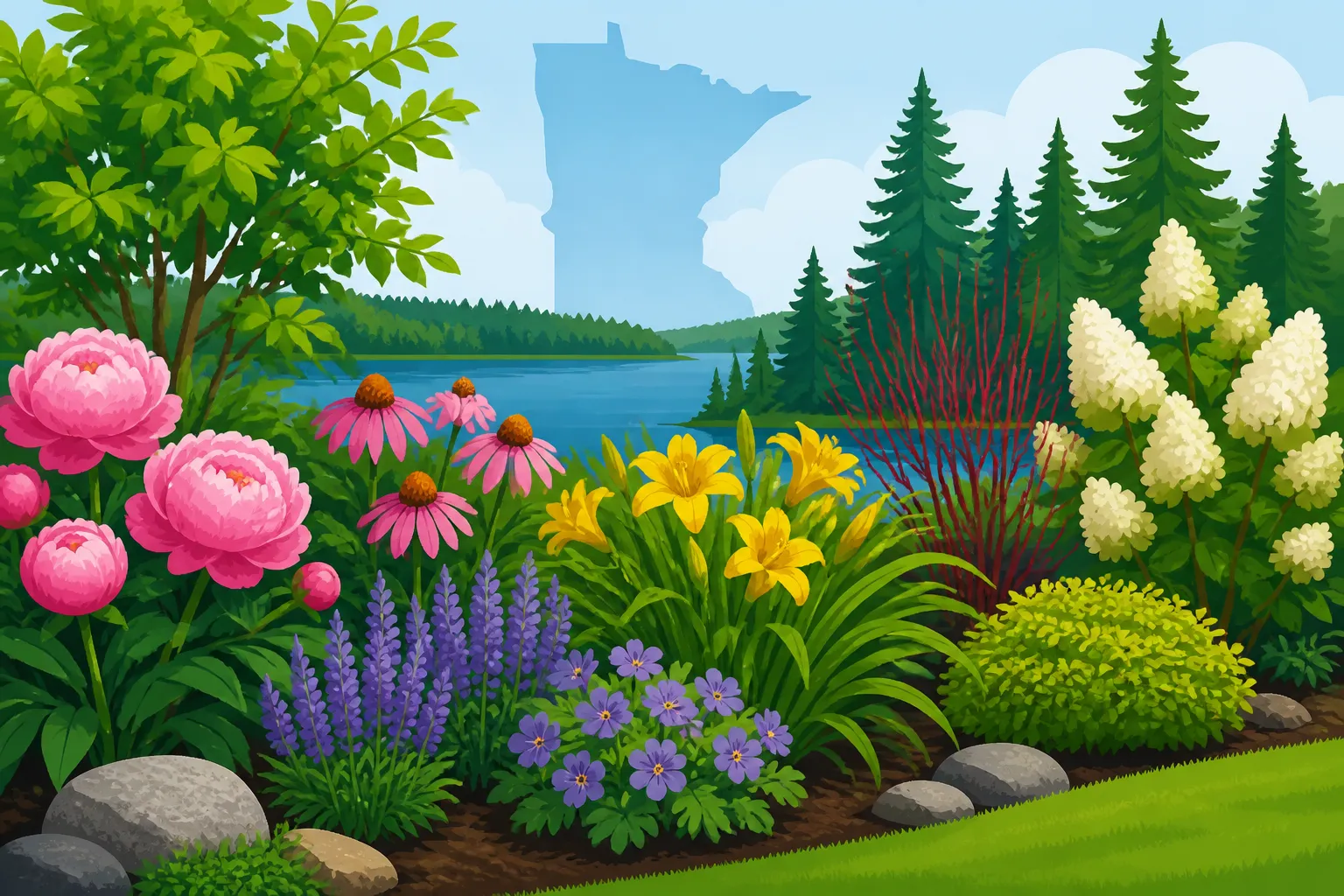
Growing Zone 5 Perennials and Woody Plants in Minnesota Landscapes
Minnesota gardeners looking at a zone label may wonder whether it means a perennial or shrub will thrive in their yard. It is a useful clue, not a promise. The key is to combine a plant’s winter-hardiness rating with your site’s soil, exposure, drainage, and local conditions before choosing what to grow.
What a zone 5 label tells you
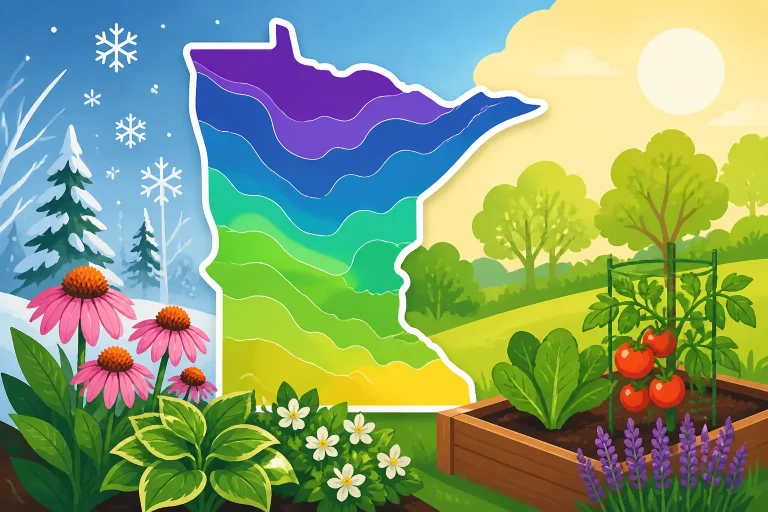
A plant hardiness zone is a guide to how well a plant may withstand winter cold. It helps narrow the choices, but it does not predict every condition a plant will face in a particular landscape. A plant labeled for zone 5 may still struggle where wind, poor drainage, exposed roots, or changing winter conditions add stress.
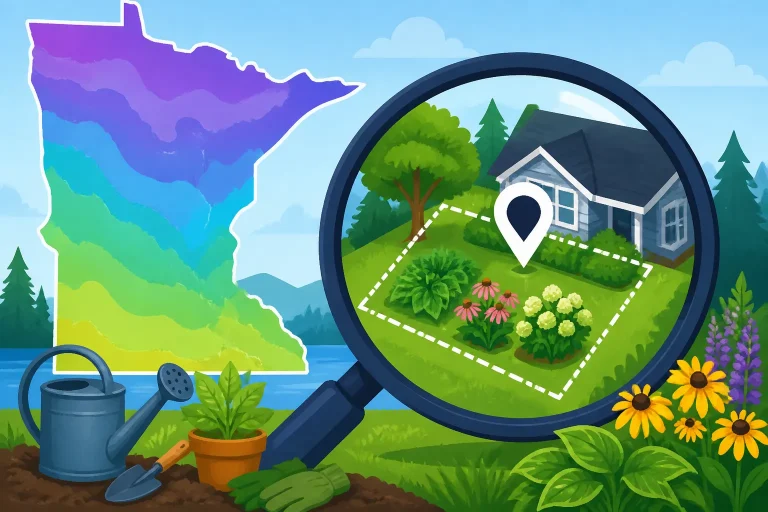
According to the University of Minnesota Extension, Minnesota’s USDA 2023 map shows an expanded zone 5a area, especially in the south and central parts of the state. That map update can help gardeners reassess broad regional guidance, but it does not turn a zone label into a guarantee for an individual garden.
A ZIP code or broad area can fall in a zone on the USDA Plant Hardiness Zone Map. The map is not precise enough to assign a hardiness zone to a specific address or planting bed. Two nearby gardens can have different growing conditions because of shade, wind exposure, slope, buildings, tree cover, and soil moisture.
If you are checking a location, use the current USDA map as a starting point rather than relying on an older chart or a retailer’s general regional description. For more detail on how to interpret a map result, see Understanding USDA Plant Hardiness Zones for Minnesota Gardens and Finding Your Exact Yard on the USDA Plant Hardiness Zone Map.
Hardiness is only one part of plant performance
A plant’s hardiness rating focuses on winter cold. It does not tell you whether the plant prefers sun or shade, tolerates wet soil, handles drought, resists browsing, or stays healthy in a particular garden. Those needs matter just as much when choosing perennials and woody plants.
For example, a perennial that can tolerate winter cold may still decline if it is planted in heavy, persistently wet soil when it prefers good drainage. A shrub suited to cold conditions may be damaged in an exposed spot where winter wind dries its stems. A plant that tolerates full sun may become thin or flower poorly in deep shade.
Treat the zone rating as a filter: use it to rule out plants that are clearly unsuitable for your cold conditions, then compare the remaining options against your actual site. Check the plant label or reliable growing information for light, soil, moisture, mature size, and other care needs.
Why a zone label cannot guarantee winter survival
Winter conditions vary from year to year, and plants experience more than air temperature. Repeated freezing and thawing, exposed roots, drying winds, and waterlogged soil can all contribute to winter injury. A plant may also be more vulnerable while it is young, newly planted, or already stressed.
This is why a plant’s rating should be read as a useful expectation, not a promise. The discussion in Why Plant Hardiness Ratings Do Not Guarantee Winter Survival can help set realistic expectations when considering plants near the edge of their recommended hardiness range.
Choosing perennials for a Minnesota landscape
Perennials return from their roots or crowns over multiple growing seasons, but their above-ground growth and winter needs vary widely. A successful choice fits both the site and the way you want the garden to function. Before buying, consider where the plant will live, how large it may become, and how much attention it is likely to need.
Match the plant to the light
Observe the planting area before deciding what to put there. A spot that gets morning sun and afternoon shade can behave differently from one with direct sun through the hottest part of the day. Tree canopies also change the light available as they leaf out, and nearby buildings or fences can create pockets of shade.
Sun and shade labels are useful, but they are not interchangeable. If a plant is described as needing full sun, planting it in a deeply shaded bed is unlikely to meet its needs. Shade-tolerant perennials can be better choices under trees or beside buildings, though the soil there may also be dry because of tree roots or sheltered from rain.
For sunny areas, consider whether the soil dries quickly and whether the planting receives wind. For shaded spots, check whether moisture stays in the soil after rain. The right light match can reduce stress and make a perennial easier to maintain.
Check drainage and soil conditions
Soil affects how water reaches roots and how quickly it drains away. Some perennials tolerate moist conditions, while others are more likely to suffer if their roots remain in wet soil. Before planting, notice whether water collects after rain, whether the soil stays damp, or whether it dries rapidly.
Do not assume that adding an amendment is always the answer. First identify the problem: soil structure, drainage, moisture, or a mismatch between the plant and the site. A soil test can help answer questions about soil conditions where testing is appropriate. For more on selecting materials and understanding what they do, see Choosing Soil Amendments: Fertilizer, Lime, Manure, or Compost.
When a plant’s preferences do not match the site, consider choosing a different plant rather than trying to force the conditions to fit. That often makes the planting more dependable and reduces ongoing work.
Use mature size to plan spacing
New perennials can look small in pots, but their mature spread may be much larger. Check the expected size before placing them, especially along paths, beside foundations, or at the front of a mixed border. Crowded plants compete for light and space, and tightly packed foliage can make it harder to notice problems.
Leave room for plants to reach their expected size without pressing against neighboring plants. If you want a fuller look right away, use temporary annuals or smaller short-lived plants to fill open space rather than crowding permanent perennials. This keeps the layout flexible as the garden grows.
Choose for the kind of maintenance you want
A perennial garden can be designed to be tidy, naturalistic, pollinator-friendly, or easy to maintain. Those goals can overlap, but they may call for different plant choices and seasonal care. Some plants spread steadily, while others stay in a compact clump. Some need regular deadheading or division; others can be left largely alone once established.
Think about the tasks you are willing to do before choosing. If you want a low-intervention border, favor plants whose mature form and growth habit suit the space without frequent trimming or division. If you want a more formal appearance, plan for the pruning, cleanup, or seasonal attention that may require.
Examples of commonly grown perennial types include peonies, daylilies, coneflowers, hostas, and native grasses or sedges. Their suitability depends on their specific growing needs and the conditions in your garden. Avoid choosing solely by flower color or a broad hardiness label; compare the plant’s light, soil, water, and mature-size needs as well.
For broader design ideas, Growing Hardy Perennial Flowers in Minnesota Yards and Perennial Choices for Minnesota Sun, Partial Shade, or Deep Shade can help you think through the fit between plants and planting conditions.
Choosing trees and shrubs for zone 5 landscapes
Woody plants, including trees and shrubs, are long-term choices. Their mature size, root space, exposure, and maintenance needs deserve attention before planting. A cold-hardy label can help identify candidates, but it cannot compensate for a poor location or a plant that outgrows the available space.
Start with the planting location
Look above and around the intended planting spot. Consider nearby roofs, walks, driveways, overhead space, existing trees, fences, and buildings. A young shrub may seem to fit neatly beside a path, then become difficult to maintain as it grows. A tree can also need more room than its container size suggests.
Check whether the site is open and windy, sheltered, sunny, or shaded. Winter wind can dry evergreen foliage and exposed stems. A sheltered urban site may behave differently from an open yard, while a low area can hold moisture or collect cold air. These differences are reasons to evaluate the exact planting location, not to assume every garden in the same broad region behaves alike.
Also consider how the plant will be used. A shrub meant to screen a view may need a different form and mature size from one chosen for flowers or berries. A small ornamental tree can be an attractive focal point, but it still needs space for its canopy and roots.
Read the plant information beyond the hardiness rating
A nursery tag or plant description may include useful details about light, soil, mature size, moisture, and pruning. Read these as a group. A plant with an appealing winter rating may not be appropriate if the light or drainage is wrong.
If you are considering a plant with uncertain performance in your area, look for information specific to Minnesota or a comparable local climate. Avoid relying on a single general label when local exposure and site conditions could be very different from those where the plant was evaluated.
Common woody-plant choices for Minnesota landscapes include lilacs, dogwoods, serviceberries, and hydrangeas, but each type has its own site needs and growth habits. Do not treat a familiar name as a complete planting plan. Check the specific plant’s mature size and requirements, then compare them with your yard.
For help matching woody plants to site conditions, see Matching Landscape Shrubs to Minnesota Yard Soil and Sun Exposure and Minnesota Flowering Tree and Shrub Selection Guide.
Think about winter protection before planting
Protection is easiest to plan before a plant goes into the ground. A location sheltered from drying wind may be more suitable for a vulnerable plant than an exposed corner. A spot with appropriate soil moisture may reduce stress, while water collecting around roots can create a different problem.
Evergreens can need particular attention to site exposure and winter moisture. Deciduous plants lose their leaves, but their stems, buds, and roots can still be affected by winter conditions. Avoid assuming that every plant in a hardy category needs the same kind of protection.
If you are weighing an ornamental that may be marginal for your site, consider whether you are comfortable accepting the possibility of winter injury or replacement. Choosing a better-adapted plant may be the more satisfying option, even if a marginal plant is attractive.
Planting and establishing plants in Minnesota
A good planting decision includes the timing and the conditions at planting. Soil that is too wet to work can be damaged by digging or traffic. Soil that is workable does not automatically mean every plant is ready to go into the ground. Use the plant’s needs and current weather conditions to guide the decision.
For a broader approach to local timing, see Minnesota Garden Timing: Knowing When to Plant or Hold Off. For spring soil conditions, When Is Minnesota Garden Soil Workable for Spring Planting? offers more detail on assessing readiness.
Prepare the site before the plant arrives
Choose the location, check light and drainage, and make sure the plant will have room to grow before bringing it home. Clear competing weeds and make the planting area large enough to accommodate the roots without forcing them into a small pocket of loosened soil.
If you are replacing lawn or converting a bed, prepare the area in advance rather than rushing through site work at planting time. Persistent weeds can compete with new plants, and compacted or poorly drained soil can be difficult to correct after a planting is established.
Avoid working soil when it is very wet. Soil that clumps and smears under pressure is a warning that it may be too moist to dig or till without damaging its structure. For a focused check, see Testing Soil Moisture: Why Shovel Clumping Means Soil Is Too Wet.
Water for establishment, not by calendar alone
Newly planted perennials, shrubs, and trees need attention while their roots adjust to the surrounding soil. Check the root area rather than relying only on how the surface looks. A dry surface can sit above moist soil, and rain does not always reach the full root area.
Watering needs vary with plant size, soil texture, weather, exposure, and whether the plant is in a container or the ground. Avoid following a fixed schedule without checking conditions. The aim is to keep the root area from becoming excessively dry while also avoiding persistently waterlogged soil.
For new shrubs, Checking Root Moisture on Newly Planted Minnesota Shrubs After Rain explains why rainfall alone may not answer whether roots have enough moisture. For general garden watering decisions, Watering Minnesota Gardens During Summer Heat Waves discusses how conditions can affect watering needs.
Mulch with the plant and site in mind
Mulch can help reduce moisture loss and limit weeds, but it should not be piled against plant stems or tree trunks. Keep the planting base visible and allow air to reach it. Mulch choice and placement matter, particularly where soil tends to stay damp or where plants are vulnerable to excess moisture.
For established garden beds, Garden Mulching in Minnesota: Retaining Moisture and Cold Care covers the role of mulch in moisture management and seasonal protection. If a plant is struggling, do not assume adding more mulch will solve the problem; check drainage, moisture, light, and signs of disease or damage first.
Common mistakes when growing zone 5 plants
Treating the map as a yard-level forecast
A regional hardiness map is useful for comparing broad cold conditions, but the conditions around a foundation, under trees, on a slope, or in an open field can differ. Use the map as a starting point and evaluate the actual planting site.
Buying by label alone
A cold rating says little about light, mature size, soil, or moisture. Compare those needs against the planting location before buying. This is especially important for woody plants that may occupy the space for many years.
Planting in the wrong soil moisture
A plant that prefers well-drained soil can suffer in a wet planting area, while a moisture-loving plant may struggle in a site that dries quickly. Observe the site after rain and during dry weather rather than guessing from the soil surface at one moment.
Choosing plants that outgrow the space
A shrub that eventually blocks a walkway or presses against a building may need repeated pruning or removal. A tree with a canopy that conflicts with nearby structures can become a difficult long-term fit. Check mature size before planting and leave room for natural growth.
Assuming winter injury always means the plant is too tender
Cold can be a factor, but so can wind, poor drainage, drought stress, late-season growth, or root disturbance. If a plant has winter damage, look at the whole site and its care history before concluding that the hardiness rating was wrong. The same plant may also perform differently in a more protected location.
Changing conditions without identifying the cause
Adding fertilizer, compost, or mulch without understanding the problem can fail to help and may create new issues. Start with observation: check the soil, light, watering, root condition, and nearby competition. If the cause remains unclear, consult a Minnesota plant diagnostic resource or a local gardening professional.
A resilient landscape comes from matching plants to conditions rather than trying to make every part of the yard suit the same plant. Use hardiness information to narrow options, then give the final decision to the details of the site: light, soil moisture, drainage, wind exposure, and room to grow.
Frequently Asked Questions
Does a zone 5 label mean a plant will survive anywhere in Minnesota?
No. A zone label is a guide to winter cold, not a guarantee for every site. Soil, wind, moisture, exposure, and establishment can affect how a plant performs.
Does the expanded zone 5a area mean every southern or central Minnesota garden is zone 5a?
No. The map describes broad areas, not individual addresses or planting beds. Use the USDA map for a regional starting point and consider local site conditions.
Should I choose a perennial by its flower color or hardiness rating?
Consider both, but check more than appearance and hardiness. Light, soil, moisture, mature size, and maintenance needs are also important.
What should I check before planting a shrub?
Confirm its mature size and growing needs, then evaluate the intended location for sun, shade, drainage, wind exposure, and available space. Make sure the site suits the plant before you dig.
Disclaimer
This article is for general informational purposes only and does not constitute professional advice. Laws, prices and regulations vary by location and change over time. Consult a qualified professional for guidance on your specific situation. Minnesota Gardening Guide is not a government agency and is not affiliated with any university extension, state department of agriculture or other government agency.