Minnesota Vegetable Planting Calendar by Region
A Minnesota planting calendar is useful only when it accounts for where you garden, how quickly your soil warms, and what the weather is doing this week. A schedule that works in southern Minnesota can put northern seedlings at risk, while waiting for a single statewide date can waste good planting weather. Use this regional calendar to choose a sensible window, then adjust it to your own garden.
How to Use a Minnesota Planting Calendar
A calendar gives you a starting point, not a promise that conditions will be right on a certain day. Minnesota’s growing season varies from year to year, and spring can bring warm spells followed by cold nights. Fall can also shift quickly. Rather than relying on a holiday or one date on the calendar, combine regional timing with the condition of your soil, the crop’s temperature needs, and the short-term forecast.
Three checks are especially useful:
- Check your region. Southern Minnesota generally reaches workable spring conditions before central and northern areas, but local differences matter. A sheltered urban yard, a low spot where cold air settles, and an exposed rural garden can have different planting conditions even within the same region.
- Check the bed. Soil should be workable before you dig, till, or sow. If it is wet enough to smear or form a sticky clump when handled, working it can damage its structure. For crops that need warmth, check soil temperature at the depth where seeds or roots will sit. Minnesota Garden Timing: Knowing When to Plant or Hold Off covers how to weigh calendar advice against current garden conditions.
- Check the crop. Peas and spinach can tolerate cool conditions that would stall beans, cucumbers, and tomatoes. A planting date that suits one group does not automatically suit another.
Frost dates can help you understand seasonal risk, but they are probabilities rather than fixed deadlines. A typical frost date does not guarantee that frost will or will not occur on a particular night. Learn how to use that information in Minnesota Frost Dates: Tracking Spring Thaw and Fall Freezes. Before moving tender crops outdoors, pair the broader seasonal picture with the actual forecast, as explained in When Is It Safe to Plant Heat-Loving Crops Outdoors in Minnesota?.
The calendar below uses broad month ranges and relative timing because conditions differ across Minnesota and from one spring to another. Treat a range as a planning window. If the bed is still waterlogged or the soil is too cold for the crop, wait; if conditions are suitable, you may be able to plant earlier within the window.
Regional Differences Across Minnesota
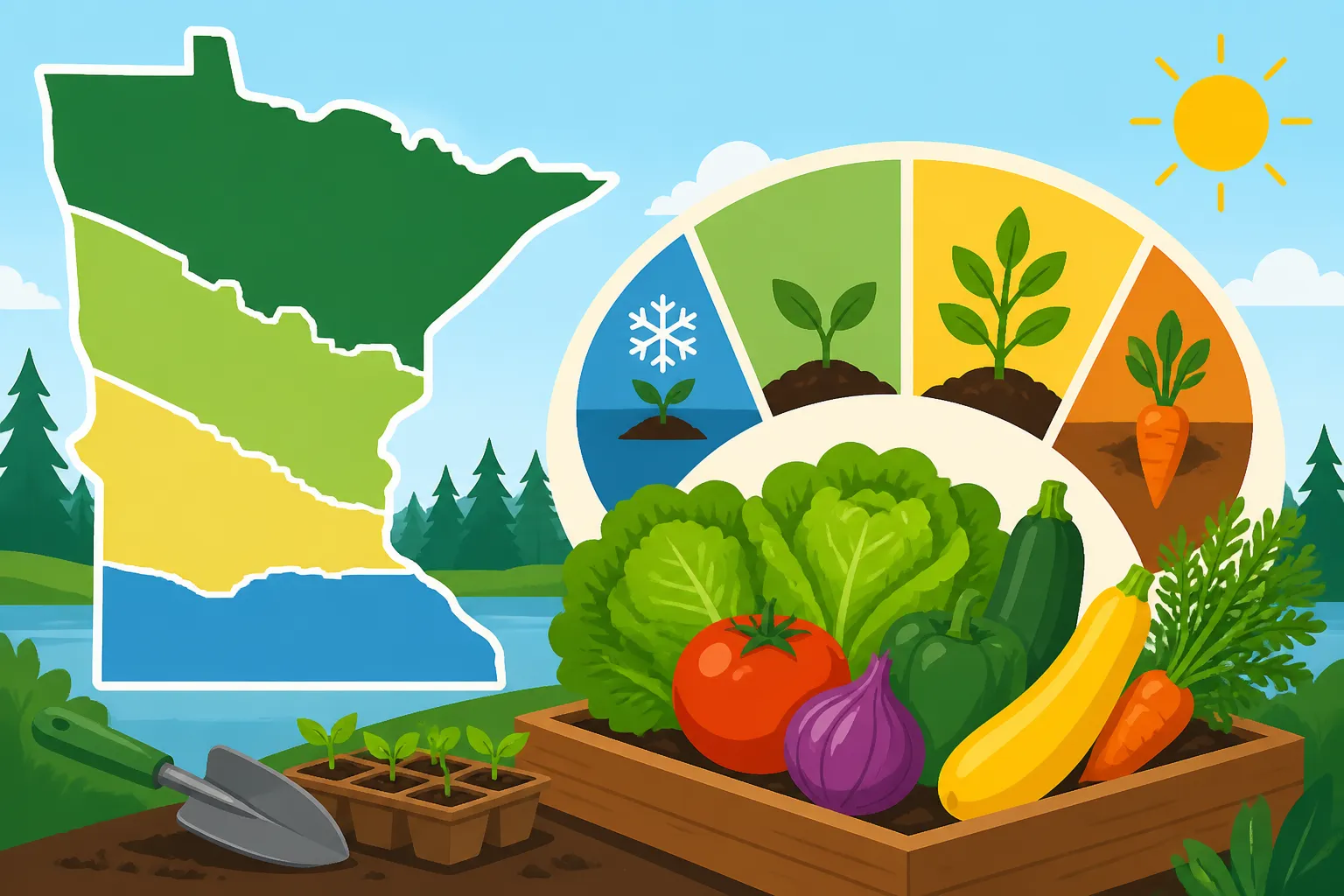
Regional timing is not just a matter of moving every planting date by a set number of days. Spring soil conditions, exposure, elevation, nearby water, and cold-air drainage all influence what is practical. In general, southern Minnesota begins spring planting earlier than central Minnesota, while northern Minnesota often needs a longer wait for soil to warm. For regional adjustments, see Northern Versus Southern Minnesota: Adjusting Planting Schedules.
| Region | General spring pattern | Early planting approach | Warm-season planting approach | Fall planning |
|---|---|---|---|---|
| Southern Minnesota | Beds often become workable earlier than in central and northern areas, but wet spring soil can still delay planting. | Start with cool-season crops once soil is workable. | Plant heat-loving crops only after frost risk, soil temperature, and the forecast are suitable. | Start fall crops early enough to establish before nights turn cold. |
| Central Minnesota | Spring conditions are often intermediate, though local soil and exposure can shift timing. | Use soil readiness rather than a southern-region calendar alone. | Delay tender crops until the bed is warm and the risk of damaging cold has eased. | Choose crops and sowing dates with the shorter remaining season in mind. |
| Northern Minnesota | Cool soils and a shorter growing window make early planning especially useful. | Favor cold-tolerant crops and use protection where practical. | Plant warm-season crops only when both soil and forecast conditions support active growth. | Sow fall crops promptly; do not assume a late summer planting will mature before cold weather. |
| Twin Cities and nearby urban areas | Buildings and paved surfaces can create warmer pockets, while shaded or low-lying yards may remain cool. | Judge the actual bed, not a citywide average. | A warm, sheltered bed may be ready before an exposed garden, but cold nights remain possible. | Use the garden’s microclimate without assuming it removes fall frost risk. |
These are broad patterns, not strict regional borders. Gardens near lakes, on hills, in wooded areas, or in exposed fields may behave differently from nearby sites. A sun-facing raised bed may warm quickly, while a shaded, heavy-soil bed stays cold and wet. Keep notes about when your own soil becomes workable and when crops begin growing steadily. Over several seasons, those observations can make a general planting calendar more useful than a date borrowed from another part of the state.
For a broader overview of how geography affects planting, Minnesota Vegetable Planting Calendar by Region is the calendar’s companion topic; for choosing dates in the moment, Should You Plant Now in Minnesota? What to Weigh Before Digging is a useful next step.
Early-Spring Crops: Plant When the Bed Is Ready
Cool-season crops are the first group to consider in spring. They can grow in lower temperatures than heat-loving vegetables, but that does not mean they should be sown into mud or frozen soil. Wait until the bed can be prepared without smearing, compacting, or sticking heavily to tools. Then check the crop’s seed packet for its recommended conditions and sowing depth.
Peas, spinach, and radishes
Peas, spinach, and radishes are common early choices. In southern Minnesota, they may fit into the earlier part of spring once the bed is workable. In central and northern Minnesota, the same crops often wait until the soil has thawed and excess moisture has drained. A cool, damp spring can slow germination; a cold snap after sowing does not necessarily mean the planting has failed, but persistent wetness can create problems.
Sow these crops in manageable sections rather than using the whole bed at once. Radishes mature quickly, and spinach can provide an early harvest before warm weather makes it harder to keep the leaves tender. Peas need support if you are growing a climbing type, so set up the trellis as you prepare the row rather than trying to add it once the plants are tangled.
Use a soil thermometer when timing is uncertain, especially if the garden is shaded or the soil warms slowly. Soil conditions at seed depth matter more than the feel of the air at midday. See Minnesota Soil Warmth and Frost Timing for Vegetable Seeds for more on matching seed readiness to temperature.
Lettuce, carrots, beets, and other root crops
Lettuce and several root crops can be sown during the cool part of the season, but each has its own requirements. Carrots need a fine, relatively stone-free seedbed for straight roots and reliable emergence. Keep the surface evenly moist while the seeds germinate; a crusted or drying seedbed can leave a sparse row. Beets can be sown in successive sections so that harvest does not arrive all at once.
Root crops are generally best direct-sown where they will grow. Their roots can be disturbed by transplanting, so starting carrots or radishes in small pots is usually less convenient than preparing a good garden row. Thin crowded seedlings as needed, following the spacing on the seed packet. Leaving seedlings crowded may produce smaller roots and make weeding more difficult.
Potatoes are also planted directly outdoors rather than treated like tender transplants. Wait until the soil is workable and not waterlogged. Preparing the row in cold, wet ground can do more harm than gaining a few days on the calendar. For crop-specific timing and bed preparation, see Planting Potatoes in Minnesota: Outdoor Timing and Soil Prep.
Brassicas and early transplants
Cabbage, broccoli, and related cool-season crops can be started indoors and moved outside as young transplants. Their timing depends on both the age and condition of the seedlings and the weather at the garden. A transplant that has been grown indoors needs a gradual transition to outdoor light, wind, and temperature. Move it outside for increasing periods before planting, and protect it from harsh wind and sudden exposure.
Do not assume that a crop labeled “cool-season” is immune to stress. A cold, windy period can slow newly planted seedlings, and a hot spell can also set them back. Water the root area after transplanting and keep an eye on moisture while the roots establish. Indoor Seed Timing and Outdoor Planting for Minnesota Brassica Crops provides more detail on starting and setting out these crops.
Onion planting and other flexible crops
Onions can be grown from seed, sets, or transplants, and each approach changes the planning required. Starting from seed indoors takes advance preparation; sets and transplants reduce that lead time but still need a suitable outdoor bed. Fit onion planting around soil readiness and the method you have chosen, rather than treating all onions as one planting category. For a crop-specific schedule, use Minnesota Onion Planting Schedule: Seed Trays to Spring Beds.
A practical early-spring sequence is to prepare the bed when it is dry enough, sow the hardier crops first, and then return for additional rows as conditions improve. If a cold spell arrives, row covers can provide some protection, but they do not fix soggy soil or make every crop safe from a hard freeze. Keep any cover secure and remove or adjust it when the crop needs access to pollinators or more airflow.
Warm-Season Crops: Wait for Warm Soil and Safer Nights
Tomatoes, peppers, eggplants, beans, cucumbers, squash, melons, and sweet corn need warmer conditions than peas or spinach. Planting them early into cold soil can leave them stalled even if they survive. A seedling that is sitting still in a cold bed is not necessarily getting a useful head start. Waiting for warmth often gives these crops a better chance to establish and grow steadily.
In southern Minnesota, warm-season planting may become practical earlier than in northern areas, but the right moment still depends on spring conditions. Central and northern gardeners should be particularly cautious about copying a southern planting date. Across the state, use a combination of regional timing, soil temperature, forecast, and crop guidance. Waiting for Warm Beds Before Planting Tender Heat-Loving Crops explains why warm soil is an important part of the decision.
Tomatoes, peppers, and eggplants
Tomatoes, peppers, and eggplants are commonly planted as transplants. Before setting them outside, make sure the plants have been hardened off gradually. Indoor-grown leaves can be damaged by sudden sun and wind, and a transplant that has not adjusted may wilt or stall even when the soil is suitable.
Wait until the forecast and the soil are appropriate for tender crops. A warm afternoon is not enough evidence that a cold night will not follow. Planting in late spring or early summer can be a better choice than planting as soon as a calendar says the season has begun. Give each plant the spacing recommended for its type, water the root ball after planting, and avoid leaving seedlings in small containers for too long if they are ready for the garden.
Tomatoes can be planted more deeply than many other vegetable seedlings, but the details depend on the plant and its condition. Avoid damaging the stem or roots while handling it. Peppers and eggplants are sensitive to cold, so planting them into chilly soil may delay growth. If a brief cold night is forecast after planting, use a suitable protective method and follow its instructions; protection reduces risk but cannot guarantee survival in all conditions.
Beans and sweet corn
Beans are generally sown directly in the garden after the soil has warmed. Planting them too early in cold, wet soil may lead to poor emergence or seed decay. Pole beans need a sturdy support, while bush beans can be planted in rows or short blocks. If you want a longer harvest, sow another small section later rather than planting the entire crop at once.
Sweet corn also needs warm conditions and enough room for good pollination. A small block of plants tends to work better than a single long row because wind carries pollen between plants. In a small garden, consider whether there is space for a block and whether the harvest will fit your household’s needs. Sweet corn planted in cold conditions can emerge unevenly, so do not use the earliest possible calendar window as a reason to skip the soil check. When to Plant Beans, Sweet Corn, Cucumbers, and Squash in Minnesota compares timing for these common crops.
Cucumbers, squash, and melons
Cucumbers, squash, and melons are especially dependent on warm soil. They can be started indoors for a modest head start, but they do not always respond well to root disturbance. Use containers that allow careful transplanting, and move the seedlings outside only after gradual hardening off and favorable outdoor conditions.
Direct-sowing is another option once soil warmth and frost risk are suitable. This avoids transplant shock, but it also means the seeds need a sufficiently warm bed to germinate promptly. If spring conditions are slow, a protective structure may help warm the soil or reduce exposure. Protection has limits: a cover can overheat in bright weather, reduce airflow, or interfere with pollination if left on once flowers need insect access.
Gardeners sometimes use plastic mulch or a covered bed to gain warmth. These methods require attention to soil moisture, ventilation, and the crop’s growth. Do not leave a cover in place without checking conditions beneath it, and follow instructions for any product used. The goal is to create a favorable planting environment, not to force a crop into a season that remains too cold.
Succession Planting and the Fall Garden
A planting calendar is not only about getting the first crops into the ground. Succession planting spreads harvests over time and makes better use of open space. It can also help gardeners plan for fall, when cool-season crops often grow well but have less time to mature before cold weather.
Sow small amounts in repeated rounds
Instead of sowing every fast-growing crop at once, plant short rows or small sections at intervals that suit the crop and your household. Radishes and salad greens are common candidates for repeated sowing. For crops that slow down or become bitter in summer heat, it may be more useful to pause during the hottest period and resume when conditions moderate.
Keep track of each sowing date and variety. A simple garden notebook can record where you planted, how quickly seedlings emerged, and when the crop was ready to harvest. This makes it easier to adjust the next round. If a first planting struggled because the soil stayed cold, delay the next one; if a crop matured quickly, sow a later section while there is still time.
Succession planting also applies to transplants. A single large planting of lettuce may become ready all at once, while smaller plantings can spread the harvest. Do not crowd later crops into a bed before the earlier plants are finished unless there is enough room and light for both. For a focused plan, see Succession Planting for Autumn Harvests Before Cold Minnesota Nights.
Plan fall crops backward
Fall planting works best when you plan backward from the likely end of your growing season. Check the crop’s days-to-maturity information, then allow time for germination and early growth. Seed packet maturity estimates are guides, not guarantees; cool weather, low light, dry soil, and other stresses can slow development.
In northern Minnesota, the usable fall window is often shorter than in southern Minnesota, so fall crops may need to be sown earlier. Do not wait until summer is nearly over to decide what to plant. Some crops can be started in a partly shaded nursery area and transplanted later, while others are better sown directly into the bed where they will mature. Keep the surface moist during germination, especially if the bed is exposed to summer sun and wind.
Leafy greens and some root crops are common fall choices, but the suitable list depends on how much time remains, the crop’s maturity needs, and whether you can provide protection. A late sowing of a slow crop may produce only small plants before cold weather. Minnesota Fall Vegetable Planting: Timing Late-Season Crops and Minnesota Midsummer Planting Guide for Bountiful Fall Harvests offer more detailed ways to plan the late-season garden.
Use protection as a tool, not a calendar shortcut
Row covers, low tunnels, and cold frames can extend the period when crops are protected from wind or light frost. They can also warm the space around plants, but the amount of protection depends on the material, setup, exposure, and weather. A cover does not make a tender crop reliably safe from every freeze.
Plan for ventilation on sunny days, secure covers so wind does not dislodge them, and check plants underneath. Covering an insect-pollinated crop during flowering can block pollinators unless the cover is removed or managed appropriately. Choose a protection method that fits the crop and the forecast rather than assuming that all covers provide the same result. Extending the Minnesota Growing Season with Cold Protection compares approaches for protecting crops.
Month-by-Month Planning Guide
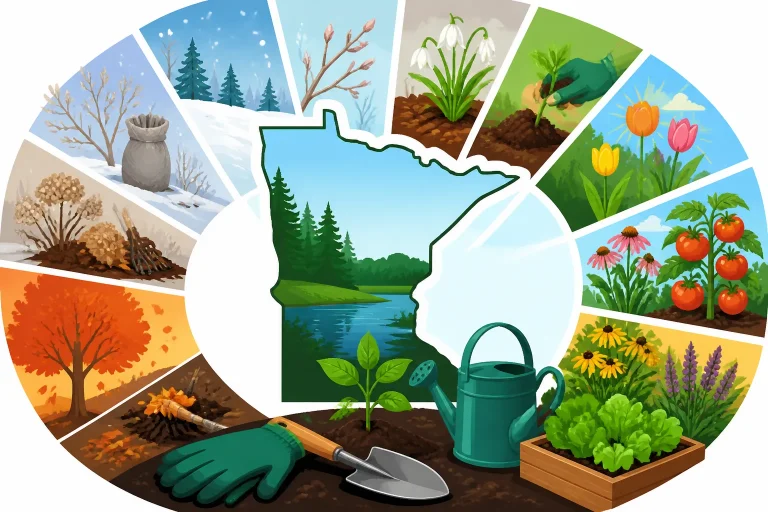
These month-by-month notes are a framework, not a strict schedule. A cold, wet spring may shift planting later, while a warm, workable spring may allow some crops to go in sooner. In all months, match the crop to the bed’s condition and follow the seed packet or transplant guidance.
March and early April
Use this period for planning, not for forcing outdoor planting into frozen or saturated beds. Check what seed you already have, plan where crops will go, and start indoor seedlings only when there is enough time and suitable light for them to grow well. Starting seeds too early can produce large, weak plants that are difficult to maintain indoors and may not be ready for outdoor conditions.
Review the space available for each crop and rotate plant families where practical. Set aside room for early greens, later warm-season crops, and paths or supports. If you are considering a cold frame or low tunnel, prepare it before you need to use it. In some years, outdoor beds may become workable during this period in warmer parts of the state; in other years, winter conditions persist.
Mid- to late April
When the ground has thawed and the bed is dry enough to work, prepare a modest area for cool-season crops. Southern Minnesota gardens may be ready earlier than gardens farther north, but soil moisture is still decisive. Sow or plant appropriate hardy crops once the bed is ready.
Avoid turning or tilling soil that sticks to tools or clumps heavily. Waiting for better moisture conditions protects soil structure and can save effort later. If the bed is ready but nights remain cold, use crop-appropriate protection and check the forecast rather than assuming the calendar guarantees safe weather.
May
May is a transition month. Cool-season crops can continue to be sown, and gardeners may start setting out suitable transplants as conditions allow. Warm-season crops still need careful judgment. A date that seems comfortable for a southern garden may be too early for a colder or more exposed site.
Harden off indoor seedlings before planting them. Sow beans, corn, and other warm-season crops only when the soil has warmed enough for dependable establishment. If you are unsure, waiting is often preferable to placing tender crops into cold ground. The calendar should help you prepare supplies and make a plan, not pressure you to plant on a particular holiday.
June
By June, many gardens across Minnesota have moved into the main warm-season planting period, though local conditions still vary. This can be a useful time to fill gaps, plant a later section of beans, or set out warm-season crops that were held back during a cool spring. Keep watering consistent while transplants establish and while direct-sown seeds germinate.
June is also a good time to check whether early crops are taking up space that could be used for a later planting. Remove finished plants, clear weeds, and prepare the bed before it becomes difficult to work in summer heat. If you are planting a second round, leave enough time for the crop to mature before the season turns cold.
July
July combines active harvest with planning for fall. Sow fall crops early enough to germinate and grow during the remaining warm weather. Summer heat can dry the top layer of soil quickly, so pay particular attention to watering seedbeds until seedlings are established. Keep new sowings shaded or otherwise protected from harsh afternoon conditions when needed, while ensuring they still receive suitable light.
If early crops have finished, remove them promptly and prepare the space for a replacement crop. Avoid sowing seeds into a bed crowded with weeds or exhausted plant debris. Choose fall crops based on the time remaining and the growing conditions in your region, not simply on what is available in a seed packet display.
August
August can be productive for a fall garden, especially for crops that establish quickly in late summer. Northern gardeners generally have less time to spare than southern gardeners, so plan carefully and sow promptly. Keep seeds moist through germination; hot, dry soil can delay or prevent a successful stand.
Use the crop’s maturity information as one planning tool, but allow for slower growth as daylight decreases and temperatures cool. A crop that is just within its stated maturity range may still be a risky choice if it has little time to establish. Vegetables You Can Sow in Early August for Late-Season Harvests focuses on crops suited to this part of the season.
September and later
In September, focus on harvesting, monitoring weather, and protecting crops that are still productive. Cool-season vegetables may tolerate some chilly nights, but the level of protection needed depends on the crop and the forecast. Harvest tender crops before a damaging freeze and use any season-extension structure according to its intended purpose.
Do not assume that a cover will keep plants safe through every cold event. Remove damaged or diseased plant material where appropriate, but consider the needs of beneficial insects and the condition of the garden before clearing everything. As the season ends, make notes about which sowings matured, which were late, and which beds warmed or cooled first. Those observations will improve next year’s calendar.
Common Timing Mistakes and How to Avoid Them
Treating a holiday as a planting rule
Holiday dates are easy to remember, but they do not account for regional conditions, soil temperature, or the forecast. Use them as reminders to check the garden, not as instructions to plant every crop. A cool-season row may be ready while tomatoes are not.
Confusing air warmth with soil warmth
A sunny afternoon can make the garden feel ready, while the soil remains too cold for a warm-season crop. Seeds and roots respond to the conditions around them, not just to the temperature you feel above the bed. Measure at the relevant depth if you are uncertain, and compare that reading with the crop’s requirements.
Planting into wet soil to get ahead
Working very wet soil can compress it and make later preparation harder. If a handful of soil smears or forms a sticky clump, postpone digging and planting until it dries enough to crumble. The delay may feel frustrating, but a prepared, well-structured bed is a better start than a compacted one.
Starting too many seedlings too early
Indoor seedlings need light, space, water, and appropriate temperatures. If started too early, they may become crowded or leggy before outdoor conditions are suitable. Follow crop-specific indoor-starting guidance and choose a start date that leaves enough time for healthy growth without creating an extended wait indoors.
Forgetting fall maturity time
The fall garden has a deadline set by shortening days and colder weather. A crop may germinate but fail to reach a useful size if sown too late. Check maturity information, count backward from the likely end of your growing season, and allow for slower growth in cool conditions.
Using one calendar for every part of the yard
A south-facing raised bed, an open garden, and a shaded low spot can differ substantially. Observe where frost lingers, where snow melts first, and where soil stays wet. Use these patterns to make small adjustments, while remembering that a warm microclimate reduces some risks but cannot eliminate frost.
Ignoring the forecast after planting
A planting window is not a guarantee of steady weather. Watch short-term forecasts after sowing or transplanting, especially for tender crops. Water newly planted seedlings as needed, protect crops when appropriate, and inspect covered beds so they do not overheat or dry out.
Frequently Asked Questions
What is the best month to start a vegetable garden in Minnesota?
There is no single best month for every crop or region. Cool-season crops can often be planted once the bed is workable, while warm-season crops need warmer soil and lower risk from damaging cold. Use your regional conditions and the needs of each crop to choose a window.
Can I use the same planting dates in northern and southern Minnesota?
Use the same crop guidance, but not necessarily the same dates. Southern Minnesota generally begins spring planting earlier, while northern gardens often need more time for soil to thaw and warm. Local elevation, shade, exposure, and soil moisture can shift timing further.
Should I plant tomatoes as soon as the last frost date passes?
Not automatically. Frost dates describe probabilities, and they do not tell you whether the soil is warm enough or whether the coming forecast is suitable. Harden off seedlings, check conditions, and wait if cold nights or chilly soil are likely to stall them.
When should I start a fall vegetable garden?
Plan backward from the expected end of your local growing season using each crop’s maturity information, then allow time for germination and establishment. Sow earlier in northern Minnesota than you might in southern Minnesota, and keep seedbeds moist during summer heat.
Are raised beds always ready for planting earlier?
Raised beds may warm and drain faster than some in-ground beds, but that varies with their construction, soil, shade, and exposure. Check the bed itself. Faster warming does not remove frost risk or make a tender crop suitable for cold conditions.
Disclaimer
This article is for general informational purposes only and does not constitute professional advice. Laws, prices and regulations vary by location and change over time. Consult a qualified professional for guidance on your specific situation. Minnesota Gardening Guide is not a government agency and is not affiliated with any university extension, state department of agriculture or other government agency.